
Introduction
India’s retail landscape is undergoing a significant transformation. Over the past decade, e-commerce has changed how people shop, offering convenience, variety, and doorstep delivery. However, despite these advancements, many challenges still exist. Customers often experience long delivery times, uncertainty about product quality, sizing issues, and difficult return processes. At the same time, thousands of local fashion stores, boutiques, beauty retailers, and accessory shops struggle to reach online customers despite having ready-to-sell inventory.
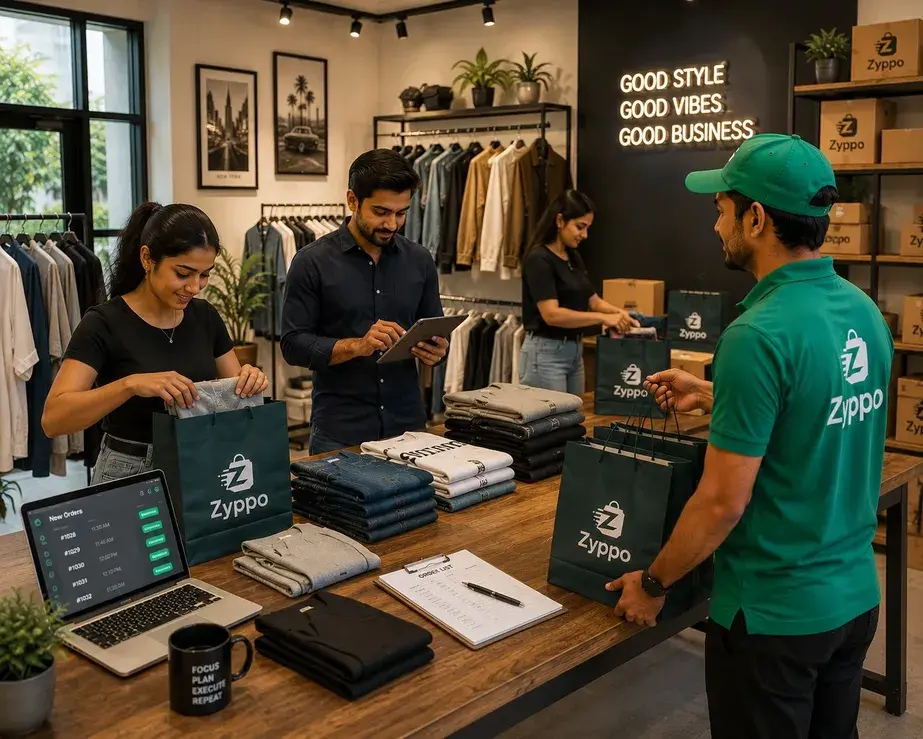
Hyperlocal commerce is emerging as a powerful solution that bridges this gap. By connecting shoppers directly with nearby stores, hyperlocal marketplaces are creating a faster, smarter, and more personalized shopping experience.
Understanding Hyperlocal Commerce
Hyperlocal commerce focuses on serving customers within a specific geographical area. Instead of sourcing products from distant warehouses, orders are fulfilled from nearby retailers. This significantly reduces delivery times while helping local businesses compete in the digital economy.
For fashion, beauty, and accessories, this model is particularly valuable because customers often want products quickly and prefer easier returns and exchanges.
Why Traditional E-Commerce Has Limitations
While traditional e-commerce platforms offer extensive product selections, they also present several challenges:
Long Delivery Timelines
Customers may wait several days for products to arrive, especially during peak shopping seasons.
Product Uncertainty
Fashion purchases involve size, fit, color, and style preferences. Images online do not always accurately represent the actual product.
Complex Return Processes
Returns can involve multiple steps, extended waiting periods, and delayed refunds.
Limited Support for Local Retailers
Many independent stores lack the resources needed to build their own digital presence and delivery infrastructure.
Benefits of Hyperlocal Fashion Shopping
Faster Delivery
Products already available in nearby stores can be delivered within hours rather than days.
Better Product Availability
Customers gain access to local inventory that would otherwise remain undiscovered online.
Convenient Returns
Returns and exchanges become easier because products originate from nearby locations.
Enhanced Shopping Experience
Shoppers can enjoy more flexible delivery options, better customer service, and potentially home-trial opportunities.
Advantages for Local Retailers
Hyperlocal platforms provide significant opportunities for local businesses:
- Increased digital visibility
- Access to online customers
- Improved inventory utilization
- Reduced technology costs
- Expanded revenue opportunities
Retailers can focus on selling products while the platform handles customer acquisition and delivery coordination.
Economic Impact
Supporting local businesses contributes to:
- Job creation
- Economic growth
- Stronger communities
- Sustainable retail ecosystems
When customers purchase from nearby stores, money circulates within the local economy.
The Future of Retail
Consumer expectations continue to evolve. Shoppers increasingly demand:
- Faster deliveries
- Personalized experiences
- Flexible return policies
- Local product availability
Hyperlocal commerce aligns perfectly with these expectations.
Conclusion
Hyperlocal shopping represents the next stage of retail evolution. By combining digital convenience with local accessibility, it creates benefits for customers, retailers, and communities alike. As technology continues to advance, hyperlocal marketplaces are likely to play a major role in shaping the future of fashion retail across India.